Lesson 5 of 5 · 3 min · Behavior
The more they traded
What happened to 66,000 households who were sure of themselves.
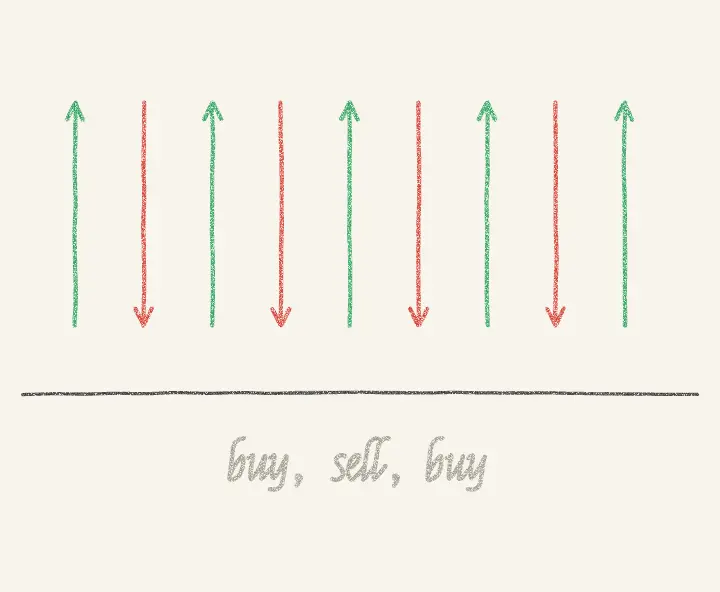
Brad Barber and Terrance Odean looked at the accounts of about 66,000 households at a US discount broker, from 1991 to 1996.
The average household sold and replaced about three quarters of its stocks every year. The busiest fifth traded far more than that.
The market returned 17.9% a year in that period. The average household kept 16.4% after costs. The fifth who traded most kept just 11.4%.
Their picks were not terrible. The costs of all that buying and selling ate the difference, year after year.
Why trade so much? Mostly overconfidence: the feeling that you know more than the person on the other side of the trade.
In a second study they found men traded 45% more than women, and hurt their returns more because of it. Being sure of yourself is expensive.
Quick question
In the Barber and Odean study, who kept the most of the market’s return?
- The households that traded most
- The households that traded least
- All did about the same
Show the answer
The households that traded least
Every trade has a cost. Across thousands of accounts, the less people traded, the more of the market’s return they kept.
Keep this one
Every trade costs. Trade less.
Where this comes from
Brad Barber and Terrance Odean, “Trading Is Hazardous to Your Wealth”, Journal of Finance, 2000. And “Boys Will Be Boys”, Quarterly Journal of Economics, 2001.