Lesson 9 of 10 · 3 min · Mind
Meditation for beginners: come back, again
Meditation means noticing that your mind drifted, and bringing it back. Each return counts.
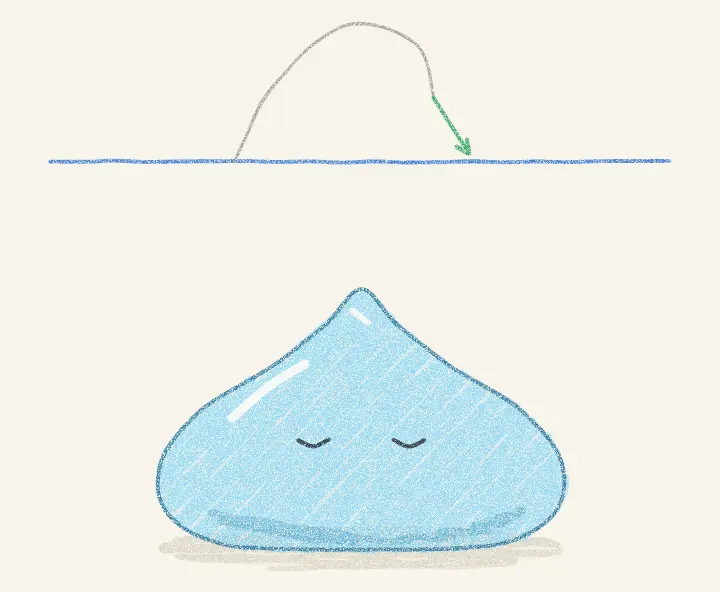
Many people try meditation once, find their head full of noise and decide they are bad at it. A mind that wanders while you sit is doing what minds do.
The practice is simple. Rest your attention on your breath. When you notice it has wandered, see where it went, then bring it back. That moment of noticing and returning is the exercise, like one lift of a weight.
A 2014 review of 47 trials with 3,515 people found that mindfulness programs, usually about eight weeks long, eased anxiety, depression and pain by a small to moderate amount.
It is no magic cure. In the same review, meditation did no better than other active help such as exercise, medication or other therapies. It is a skill, and it grows with practice like any other.
Try one minute. Breathe normally and watch the breath. Each time you notice your mind has wandered, tap the button and come back. More taps is not worse: each one is a rep.
Start small: one to five minutes a day, at the same time and in the same place, so it becomes a habit. The wandering is not a sign you are doing it wrong. It is the weight you lift.
Quick question
While meditating you notice you have been planning dinner for a minute. What now?
- Start over, the round failed
- Note it and bring attention back to the breath
- Try harder to empty your mind
Show the answer
Note it and bring attention back to the breath
Noticing and coming back is the practice itself. Each return is one repetition, the way one lift is one rep at the gym.
Keep this one
Each time you notice and come back is one rep.
Where this comes from
Goyal, Singh, Sibinga and others 2014, JAMA Internal Medicine 174 (Meditation programs for psychological stress and well-being: a systematic review and meta-analysis). Effect sizes are standardized mean differences: anxiety 0.38 and depression 0.30 at 8 weeks, pain 0.33.